
文章指出OAuth设备流机制存在安全漏洞,易受钓鱼攻击影响。多个企业平台如Azure、Salesforce等已遭威胁集团如Shiny Hunters利用。SSOJet提供解决方案,通过全面检测、条件访问控制和自动化响应等措施应对这一风险。 2025-8-26 06:25:2 Author: securityboulevard.com(查看原文) 阅读量:21 收藏
Modern enterprises rely on dozens of SaaS, PaaS, and IaaS platforms, many of which bake authentication and access security deep into their products. But in 2025, a new wave of sophisticated phishing and abuse attacks—most notably from groups like Shiny Hunters—are weaponizing weaknesses in the industry-standard OAuth 2.0 Device Authorization Grant (device flow). Organizations must understand the threat landscape and the best ways to defend their identities and access management. SSOJet is at the forefront of this fight, delivering the most secure single sign-on solution for large organizations.
What Is the OAuth Device Code Grant?
The OAuth Device Authorization Grant, often called “device flow,” was designed for input-constrained devices (think kiosks, smart TVs, or CLI apps without browsers). Instead of entering a password, users go to a trusted URL on a separate device, enter a code, and then authorize access—ideally much easier for devices without full UI or browser support.

But this convenience comes with risk. Device flow does not always require strong authentication or phishing-resistant controls. Failure to layer on conditional access, rate limiting, strong device recognition, or multi-factor authentication (MFA) introduces dangerous attack vectors.
The Phishing and Abuse Risk: Shiny Hunters and Beyond
Over the past 24 months, threat groups such as Shiny Hunters and Storm-2372 have focused on exploiting device flow weaknesses at critical enterprise platforms. They use phishing, vishing, and social engineering to trick users or IT staffers into approving device codes on trusted authentication URLs. Once approved, attackers can harvest OAuth tokens and elevate privileges – often bypassing traditional SSO protections and account recovery controls.
High-profile targets have included:
- Microsoft Azure/Entra ID
- Salesforce
- GitHub
- Okta & Auth0 (early access features)
- Teams, WebEx, Oracle, and many cloud platforms
Many platforms ship device flow enabled by default or grant weaker controls to headless integrations, developer CLIs, and “legacy” devices. This means even cautious organizations may be exposed with little notice.[1][6][4]
Comprehensive Vulnerability Findings: What Did We Learn?
At SSOJet, we conducted a rigorous audit of 94 major enterprise platforms for OAuth device flow support and vulnerability. Our analysis included all major identity providers, cloud services, devops tools, HR/recruiting platforms, and communications apps. Here’s what we found:
Vulnerable Platforms (25/94; 26.6%)
- Identity Providers: 12/16 vulnerable (75%)
- DevOps: 3/12 (GitLab, GitHub, ArgoCD)
- Cloud Infra Providers: 3/6
- Comms Platforms: 4/7
- Other SaaS: Several in marketing, communications, and integrations
Examples (All support device flow by default or allow easy enabling):
- GitLab: Device flow enabled by default as of v17.3+
- Azure/Entra ID: Device flow enabled for most tenants
- Teams/Teams Rooms Android: Device flow for headless devices
- PingIdentity, Auth0, Okta (EA), Keycloak, and more
Safe Platforms (69/94; 73.4%)
HR/Recruiting Platforms are Exemplars:
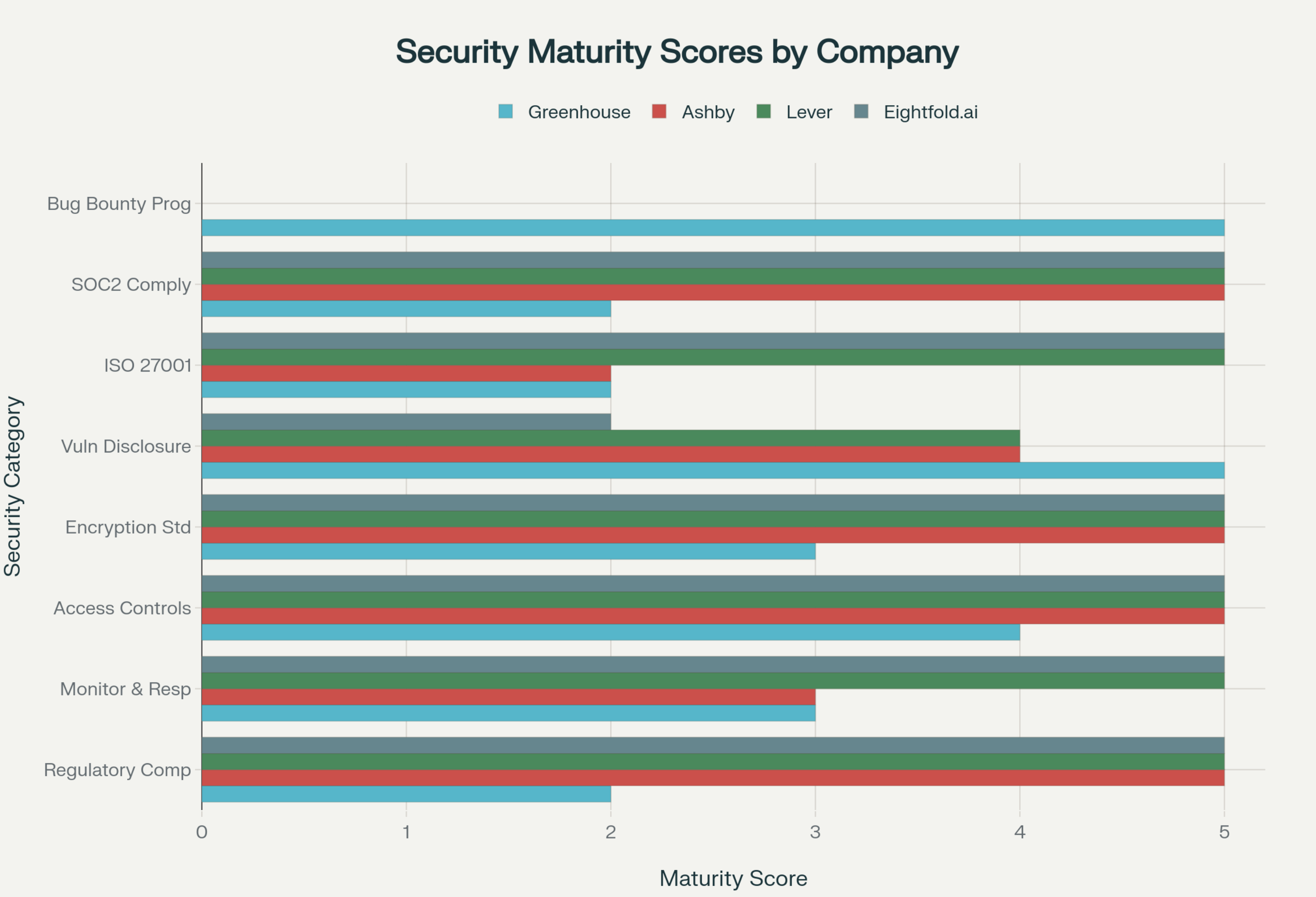
Platforms such as Greenhouse, Ashby, Lever, Eightfold.ai do not support OAuth device flow. They use mature authentication patterns—HTTP Basic Auth, API keys, and OAuth 2.0 authorization code flows—for integrations, and maintain strong third-party application controls.
Payment Processors and Data/Analytics Platforms:
Stripe, PayPal, Square, MongoDB Atlas, Elasticsearch, Redis Cloud likewise avoid device flow entirely, opting for robust API key management and carefully scoped OAuth integrations.
Why Is Device Flow So Dangerous?
Device flow vulnerabilities allow attackers to:
- Trigger device code phishing with little technical skill – no password required
- Harvest OAuth tokens for privileged accounts and service access
- Bypass Single Sign-On (SSO) and conditional access policies if platforms are misconfigured
- Abuse CLI integrations and developer endpoints, often overlooked in MFA/rate limiting controls
- Exploit organizations’ weakest link: unaware users or "shadow IT" integrations
The device code grant was created for ease—not security. When used in the enterprise, it must be risk-managed, monitored, and frequently hunted.
How SSOJet Solves OAuth Device Flow Challenges
SSOJet was purpose-built to address all these risks in modern enterprise environments:
1. Cross-platform Device Flow Visibility
SSOJet provides full observability into OAuth grant types in use across your SaaS, Cloud, and IAM ecosystem. Our agentless scanning and API integration engine detects all apps and endpoints configured for device flow, including third-party OAuth apps, developer CLIs, and headless device integrations.
2. Adaptive Conditional Access & MFA Enforcement
Unlike legacy SSO, SSOJet dynamically applies Conditional Access policies, requiring phishing-resistant MFA for every device flow initiation. We leverage risk signals (device reputation, geo-velocity, user context) and partner with top-notch identity providers for maximum interoperability.
3. Device Flow Blocking and Remediation
SSOJet enables instant policy-based blocking of device flow—organization-wide or on a per-app basis. What’s more, SSOJet provides step-by-step guidance for disabling device flow at the source, with auditable rollback and compliance reporting.
4. Attack Detection & Automated Response
Our analytics engine detects anomalous device code requests (high volume, strange geolocation, user-agent patterns) and rapidly notifies security teams. Integrated playbooks let teams automate account locking, credential rotation, and third-party API key revocation when abuse is detected.
5. Third-Party Vendor & Integration Risk Management
SSOJet continuously audits OAuth connections to third-party apps, HR SaaS, devops platforms, and cloud services—flagging new integrations using device flow or exposing sensitive data.
6. Security Education and User Awareness
We alert users to suspicious device code approvals, coach teams on safe use of developer tools, and shut down phishing attempts before tokens can be harvested.
What Should SSOJet Customers Do Now?
- Review your SSOJet dashboard for device flow endpoints, enabled apps, and integrations.
- Disable device flow wherever possible—SSOJet shows you exactly how.
- Require phishing-resistant MFA and Conditional Access policies using SSOJet’s enforcement modules.
- Monitor device code usage and investigate any unusual activity—SSOJet provides both real-time and historical insights.
- Update your incident response playbooks to include OAuth device flow abuse scenarios.
The Bottom Line
OAuth Device Authorization Grant vulnerabilities are now one of the top enterprise risks for modern organizations. Groups like Shiny Hunters actively exploit this under-recognized attack surface.
SSOJet delivers far more than "just SSO": we give your team the visibility, control, and security intelligence needed to defeat device flow phishing and build a future-proof identity management framework.
Ready to see SSOJet’s device flow defense in action?
Contact your SSOJet Solutions Architect today, or visit ssojet.com.
For technical details or a full vulnerability analysis spreadsheet, reach out to our security team via ssojet.com.
References:
- Identity & device flow CVE analysis, phishing case studies, and research data from SSOJet Enterprise Labs (2025)
- Industry reports from SecureWorks, Red Canary, Huntress, Logpoint, and Astrix Security
- Product documentation and public developer docs from Azure, GitLab, GitHub, Greenhouse, Ashby, Lever, Eightfold.ai, and others
*** This is a Security Bloggers Network syndicated blog from SSOJet - Enterprise SSO & Identity Solutions authored by SSOJet - Enterprise SSO & Identity Solutions. Read the original post at: https://ssojet.com/blog/the-enterprise-risk-of-oauth-device-flow-vulnerabilities-and-how-ssojet-solves-it
如有侵权请联系:admin#unsafe.sh