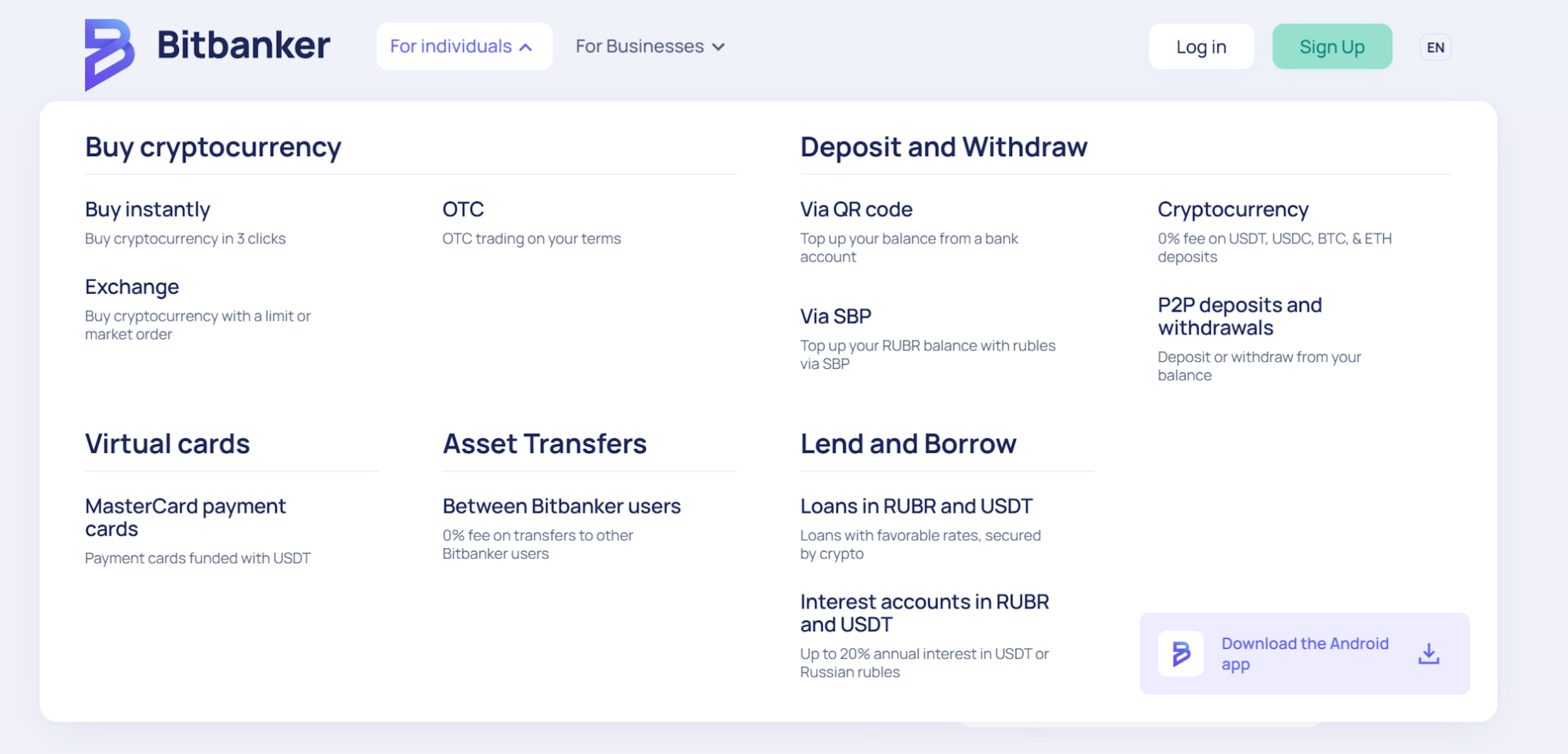
Questions about the legitimacy of crypto platforms are common, especially when online discussions co 2026-7-9 04:40:1 Author: hackernoon.com(查看原文) 阅读量:3 收藏
Questions about the legitimacy of crypto platforms are common, especially when online discussions contain both positive experiences and serious criticism. Rather than relying on forum posts, reviews, or the company's own marketing, I wanted to see what could actually be verified.
One platform that recently caught my attention was Bitbanker. Over the past year, it has become increasingly visible across the CIS and MENA markets, partly due to its growing marketing presence. According to the company, the platform has surpassed 100,000 registered users. At the same time, like many smaller crypto platforms and exchange services, it has also faced online skepticism, with some users questioning its reliability and level of trust. That combination of growing visibility and mixed opinions made it a good candidate for a closer look.
My approach is straightforward: examine publicly available information about the company, test the platform as a regular user, and compare the results with the concerns most frequently raised online. Having spent more than a decade working across different areas of the cryptocurrency industry, I've learned that the only reliable way to evaluate a service is to verify the evidence firsthand.
For context, I've worked in the cryptocurrency industry for more than a decade. During that time, I've used centralized exchanges, P2P marketplaces, OTC desks, arbitrage platforms, and regional services in both global and CIS markets. Over the years, I've learned to approach every platform the same way: I don't trust marketing promises, and prefer to verify things firsthand.
This article summarizes what I learned after researching Bitbanker's background, testing the platform, and examining some of the most common concerns raised online.
Disclaimer: This article reflects the personal opinion of the author and is provided for informational purposes only. It does not constitute investment advice, financial advice, legal advice, or a recommendation to buy, sell, or use any cryptocurrency-related service. Digital assets involve significant risks, including the possible loss of capital. Readers should conduct their own research and make independent decisions based on their individual circumstances.
How I Evaluate Platforms
Before using the platform, I outlined the key questions I wanted to answer:
- Does the company operate legally?
- Does the platform work as advertised?
- Do deposits and withdrawals work reliably?
- Is customer support responsive?
- Does the company have a real-world presence?
- Are the most common accusations supported by verifiable evidence?
Rather than relying on online discussions alone, I focused on information that could be independently verified.
Licensing and Corporate Background
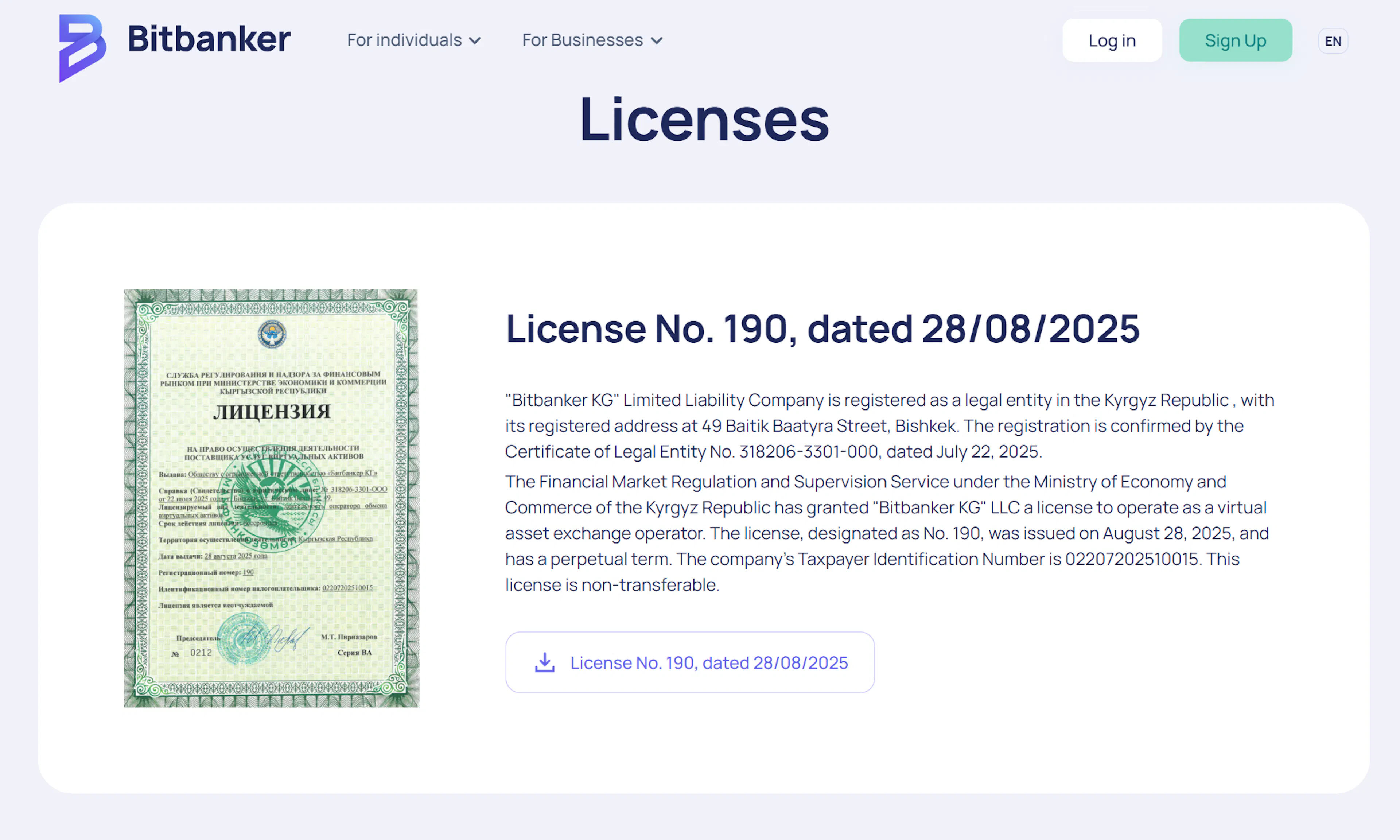
One of the most common claims I encountered was that Bitbanker operates without a license or any regulatory oversight.
After reviewing publicly available corporate and licensing records, I found that the platform operates through Bitbanker KG, a company registered in Bishkek, Kyrgyzstan. According to those
Testing the Platform
After registration, I spent time testing the platform's core features and exploring its interface.
One recurring criticism I encountered was that many of the platform's products no longer function or have effectively been abandoned.
It's worth considering the broader market context. The cryptocurrency industry has changed dramatically since the market conditions of 2021 and 2022. Products that were popular during one market cycle aren't necessarily relevant in the next. Regulatory developments have also forced many companies to adjust their offerings.
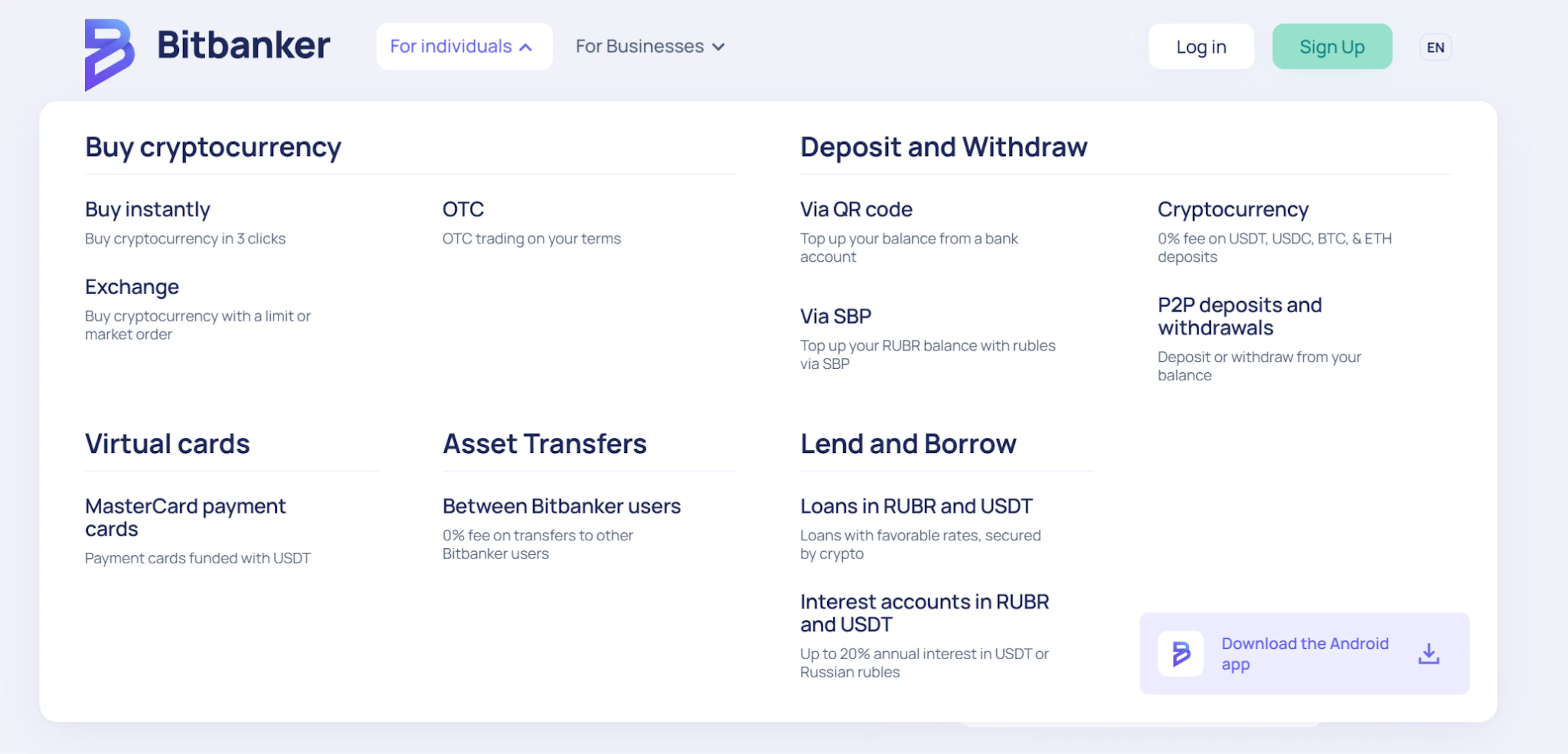
From what I observed, some services that appear to have been more prominent in the past are no longer a major focus of the platform. However, during my testing, the core functions most users rely on were available and worked as expected.
These included:
- buying and selling cryptocurrencies;
- funding accounts;
- making withdrawals;
- exchange trading;
- lending products;
- yield and deposit solutions.
Rather than indicating a broken platform, this looked to me like a product lineup that had evolved alongside changing market conditions.
Deposits and Withdrawals
For most users, the ability to move funds in and out of a platform is probably the single most important consideration.
To evaluate this, I completed a basic transaction flow involving a USDT deposit, an asset conversion, and a withdrawal.
In my case, every step was completed successfully.
Could delays happen? Absolutely. That's true across much of the cryptocurrency industry. Compliance reviews, AML procedures, banking restrictions, and additional transaction verification have become standard parts of operating financial services that interact with digital assets.
The important distinction is between a temporary compliance-related delay and a platform refusing to release customer funds.
Based on my own testing, I found no evidence suggesting the latter.
Customer Support Experience
Customer support was another aspect I wanted to evaluate.
Bitbanker provides support through both its
During my testing, I ran into an issue while completing the KYC verification process. At first, I assumed the problem was on the platform's side. After looking into it more closely, however, I found that the issue was caused by an unstable internet connection that prevented the identity verification page from loading properly.
Once I contacted support, the issue was resolved without significant difficulty.
Response times will naturally vary depending on workload, time zones, and the complexity of the request. Based on my experience, however, I found no evidence to support claims that customer support is unavailable or non-existent.
Physical Presence and Infrastructure
Another topic that attracted attention online was whether the company has any real-world infrastructure.
According to
A physical office network should never be treated as proof of reliability on its own. History offers plenty of examples of unsuccessful businesses with impressive offices.
That said, maintaining a long-term physical presence across multiple jurisdictions generally requires a greater level of commitment and transparency than operating solely through an anonymous website.
Public Visibility
One claim I found difficult to reconcile with the available evidence was that the company operates anonymously.
Bitbanker maintains a visible presence at industry conferences, participates in exhibitions, and its representatives regularly take part in public discussions related to cryptocurrency markets and regulation.
A visible public presence doesn't guarantee legitimacy, but it does make a company's activities easier to verify than those of an anonymous operation.
That wasn't the impression I came away with.
None of this means the company is beyond criticism or free of shortcomings. It simply means that describing it as a hidden or anonymous operation doesn't align with the level of public activity I was able to verify.
What About Negative Reviews?
Like virtually every company operating in a competitive financial market, Bitbanker has negative reviews and criticism.
Some complaints appear to stem from customer service experiences. Others involve disagreements with former employees or partners. Some are simply internet disputes where obtaining the full picture is difficult.
From an outside perspective, it is rarely possible to verify every individual claim.
Personally, I prefer to focus on a few practical questions:
- Is the service currently operational?
- Can users access the advertised functionality?
- Are deposits and withdrawals being processed?
- Can key corporate information be independently verified?
At the time of writing, my answers to those questions were generally positive.
My Takeaways
What I found was a functioning platform backed by publicly verifiable licensing information, active products, responsive customer support, participation in industry events, and a visible operational presence.
That doesn't automatically make it the right choice for everyone, and it certainly doesn't mean the platform is without flaws. Like any cryptocurrency service, it should be evaluated on its own merits rather than assumptions.
To me, there's an important difference between identifying genuine shortcomings and dismissing an entire business as fraudulent without sufficient evidence.
My takeaway is simple: whether you're evaluating Bitbanker or any other crypto platform, don't rely solely on marketing materials—or on anonymous comments online. Check the available information, verify what you can, and, if you decide to try the service, start with a small amount before committing larger funds.
That's the approach I've followed throughout more than a decade in crypto, and it's the one I'll continue to use.
如有侵权请联系:admin#unsafe.sh